Inside India
Something has settled in the Indian home. After decades of looking elsewhere for its cues, the country's design language has come of age: craft kept within reach, climate taken seriously, rooms planned around families rather than photographs. It is not one style. It is a shared instinct, and it is now everywhere.
This page is the record. Homes from the metros sit beside homes from cities that rarely make the design press, all of it real, credited and current. Enter through a city you know, a room you are furnishing or a material you love, and follow it across the country. The work will argue for itself.
Read the story· @ataha_designsynergy· Photo @_manansurti
Study@neovanadesign· Photo @ashishsahi
Bathroom@neovanadesign· Photo @ashishsahi
Foyer@decorbydevanshi· Photo @photographsbyprabal
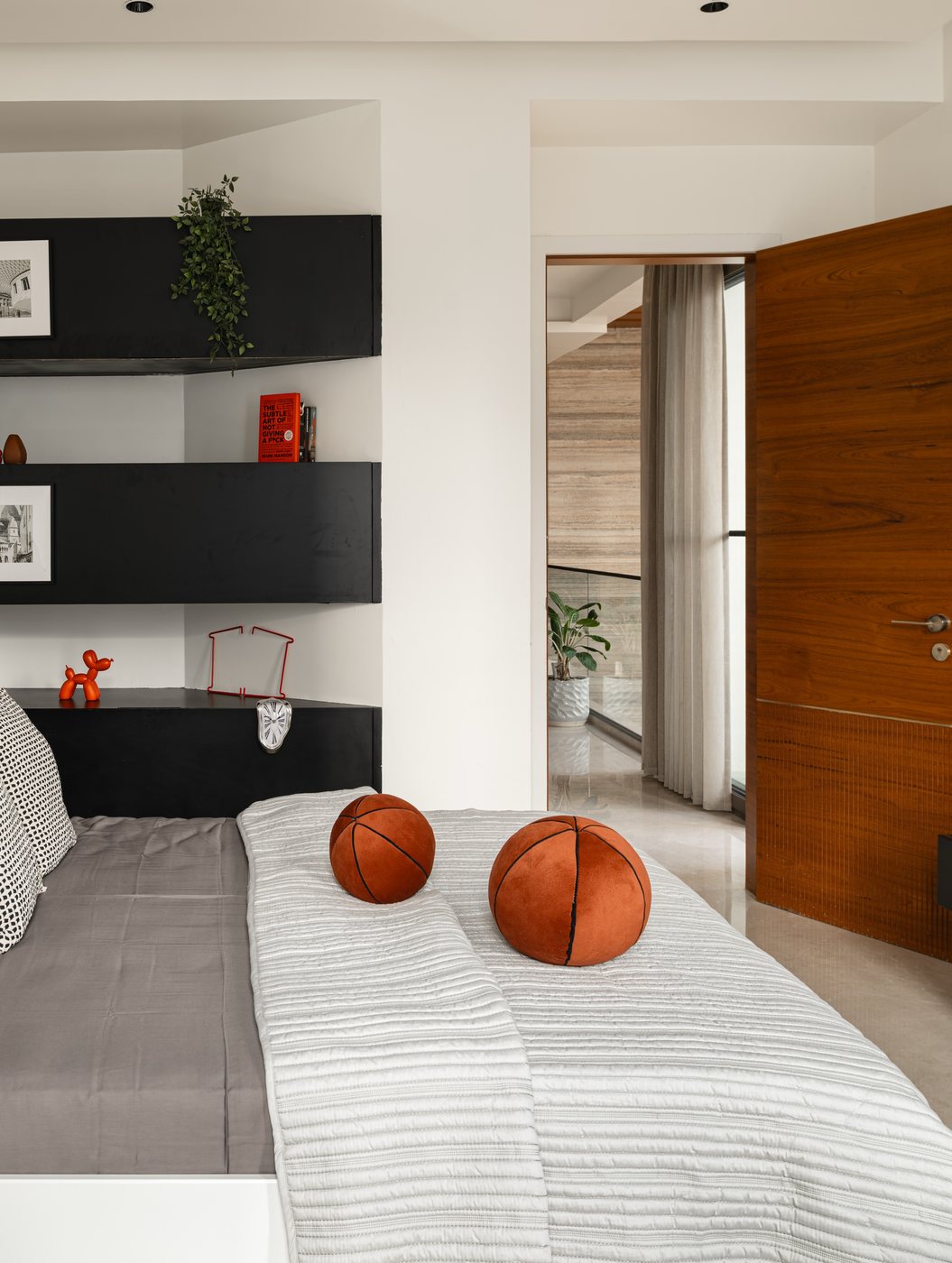
Bedroom@studio.couch.potato· Photo @nayansoni21
Living@bombaybuildingworkshop· Photo @siddheshsavantphotography
Bedroom@keystonestudio_bengaluru· Photo @arjunkrishna.in
Balcony@insidestory_studio· Photo @studioabhisheksawant
Dining@enformadesigns· Photo @a.niche.visuals
Bedroom@designhkgroup· Photo @manishkumarphotography
Kitchen@_husnarahaman· Photo @nareshandnayan
Bedroom@avvoarchitects· Photo @theendlessforms
Living@spacetalesdesign· Photo @phxindia
Living@theartfulhabitat· Photo @kshan_collective
Bedroom@thedesigncompany_india· Photo @prashant_bhat_photography
Bedroom@elysian_design_studio_in· Photo @piyushmacrography
Bedroom@crenovatedesigners· Photo @sankeerth.jonnada
Dining@avinyadesigns_· Photo @piyushmacrography
Bedroom@ashgreydesignstudio· Photo @taranggoyal_
Bedroom@shrutika.raut.design.studio· Photo @hemant.patil.photographer
Bedroom@vintage_woodcrafts· Photo @umangshahphotography
Dining@design_ppds· Photo @tejasshahphotography
Passage@simplecede· Photo @nayansoni21
Living@abolishahatelier· Photo @manthanyadav.studio
Bedroom@interio_dezine· Photo @nayansoni21
Dining@purplebackyard· Photo @ishyfishy
Bedroom@canvasinc_design· Photo @nayansoni21
Foyer@bombaybuildingworkshop· Photo @siddheshsavantphotography
Living@sive_designs· Photo @ekansh_goel
Bedroom@noirdesigns_designstudio· Photo @takeninstudios
Kitchen@tesordesigns· Photo @nayansoni21
Kitchen@ranjekardesignstudio· Photo @architectural_captures
Study@decorbydevanshi· Photo @photographsbyprabal
Bathroom@ikshhana_design_studio· Photo @_manansurti
Foyer@insidestory_studio· Photo @studioabhisheksawant
Bedroom@studior.spaces· Photo @mkgandhi_studio
Kitchen@salmonpinkandco· Photo @nayansoni21
Bedroom@design_ppds· Photo @tejasshahphotography
Living@keystonestudio_bengaluru· Photo @arjunkrishna.in
Terrace@hocdesignarch· Photo @perspectivesbyv
Living@sumitrathodassociates.pvt.ltd· Photo @whatweclick
LivingBrowse by City
- MumbaiMaharashtra
- BangaloreKarnataka
- PuneMaharashtra
- AhmedabadGujarat
- GurugramHaryana
- ChennaiTamil Nadu
- New DelhiDelhi
- VadodaraGujarat
- SuratGujarat
- ThaneMaharashtra
- HyderabadTelangana
- KolkataWest Bengal
- JaipurRajasthan
- GoaGoa
- NashikMaharashtra
- RaipurChhattisgarh
- NagpurMaharashtra
- IndoreMadhya Pradesh
- RajkotGujarat
- KochiKerala
Questions
What defines contemporary Indian interior design?
Not one style but a set of shared instincts, visible across the thousands of homes we have photographed in twenty cities: craft kept within reach, in carved wood, cane and brass; climate taken seriously, through lime plaster, jaali screens and shaded balconies; and rooms planned around family life, where dining tables and pooja rooms get the same design attention as living rooms. The look ranges from minimal to maximal. The instincts stay constant.
Which materials appear most often in Indian homes today?
Wood is near universal, as structure, panelling and furniture. Brass appears in roughly one photographed home in three, usually as edging, hardware or lamps rather than statement pieces. Cane and rattan run through thousands of the homes we have documented, and lime plaster, an old climate technology, is visibly returning to contemporary walls.
What is a jaali, and why do Indian homes still use them?
A jaali is a perforated screen, traditionally carved stone or wood, now also metal and engineered board, that filters light and air while keeping privacy. It cools without sealing a room and turns harsh afternoon sun into pattern. These pages hold more than four hundred photographed examples in current homes, used on windows, partitions, wardrobe shutters and stair rails.
What is a pooja room, and how are they designed now?
A pooja room is a dedicated prayer space, and it has moved from leftover corner to one of the most considered rooms in the Indian home. Contemporary versions across these homes pair marble and backlit panels with brass bells and carved doors, treated with the seriousness other homes reserve for living rooms.
How do Indian homes handle heat and climate?
Mostly with material intelligence rather than machinery: lime-plastered walls that breathe, stone floors that stay cool underfoot, jaali screens that ventilate without exposing, and hundreds of photographed balconies and terraces designed as usable rooms rather than edges. The pattern holds from coastal humidity to inland heat, adapted city by city.
Do Indian cities have distinct interior design styles?
Visibly, yes. Across these homes, Jaipur leans on brass and stone with architectural passages, Goa on lime, cane and indoor-outdoor thresholds, Kolkata on dark wood, velvet and art deco memory, Bangalore on cane, plants and breathing walls. Each city's page here shows its character in photographs rather than adjectives.
My work appears here but the credit is wrong or missing.
Email info@homepublication.in with the image and the correct credit and we will fix it. Photographers are credited at image level wherever we hold the credit.
I want my work featured on Home Publication.
Submit it through our Submit page with high-resolution images and a project brief. The editorial team reviews every submission.